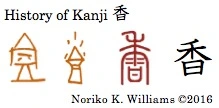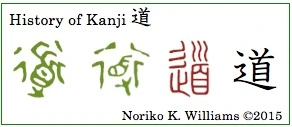
Koh-do:
In Japan, "koh-do" or “kodo” refers to the art and practice of appreciating and enjoying the fragrances of traditional Japanese incense. The term "kodo" translates to "the way of incense" or "listening to incense." Kodo has a long history and is deeply rooted in Japanese culture. It originated from the religious and cultural practices of Buddhism, where incense was used in ceremonies to purify the mind, create a sacred atmosphere, and evoke a sense of tranquility. Over time, the appreciation of incense expanded beyond religious rituals and became a refined art form.
Incense Ingredients: Traditional Japanese incense is composed of natural aromatic materials such as agarwood (also known as oud), sandalwood, cinnamon, cloves, patchouli, and various herbs and spices. These ingredients are carefully selected for their unique scents and their ability to create a harmonious blend.
Incense preparation: Incense is typically prepared in the form of sticks or cones. The process involves grinding the ingredients into a fine powder, mixing them with a natural binder such as agarwood powder or makko (a type of tree bark), and shaping the mixture into the desired form.
Appreciation: In kodo, the act of appreciating incense involves a mindful and immersive experience. The incense is placed on a heated censor or mica plate, and as it burns, the fragrance slowly fills the air. Participants focus their attention on the subtle nuances of the fragrance, observing its evolution from the initial notes to the lingering afternotes.
Ceremony and Practice: Kodo ceremonies and gatherings are conducted to deepen the understanding and enjoyment of incense. These events often follow a structured format, including purification rituals, incense games, and discussions about the qualities and symbolism of different incense blends.
Kodo is not only about recognizing and enjoying pleasant scents but also about fostering a deeper connection with nature, enhancing mindfulness, and creating a contemplative environment. It is considered a form of art that engages multiple senses and cultivates a heightened appreciation for the subtleties of fragrance. Today, kodo is practiced by individuals as well as in organized groups and schools dedicated to the art of incense appreciation. It continues to be valued as an integral part of Japanese cultural heritage and an avenue for spiritual and sensory exploration.